Miami Beach Stories
Española Way: a Spanish village built in 1925 for a land boom.
· 2 min read · Miami Beach
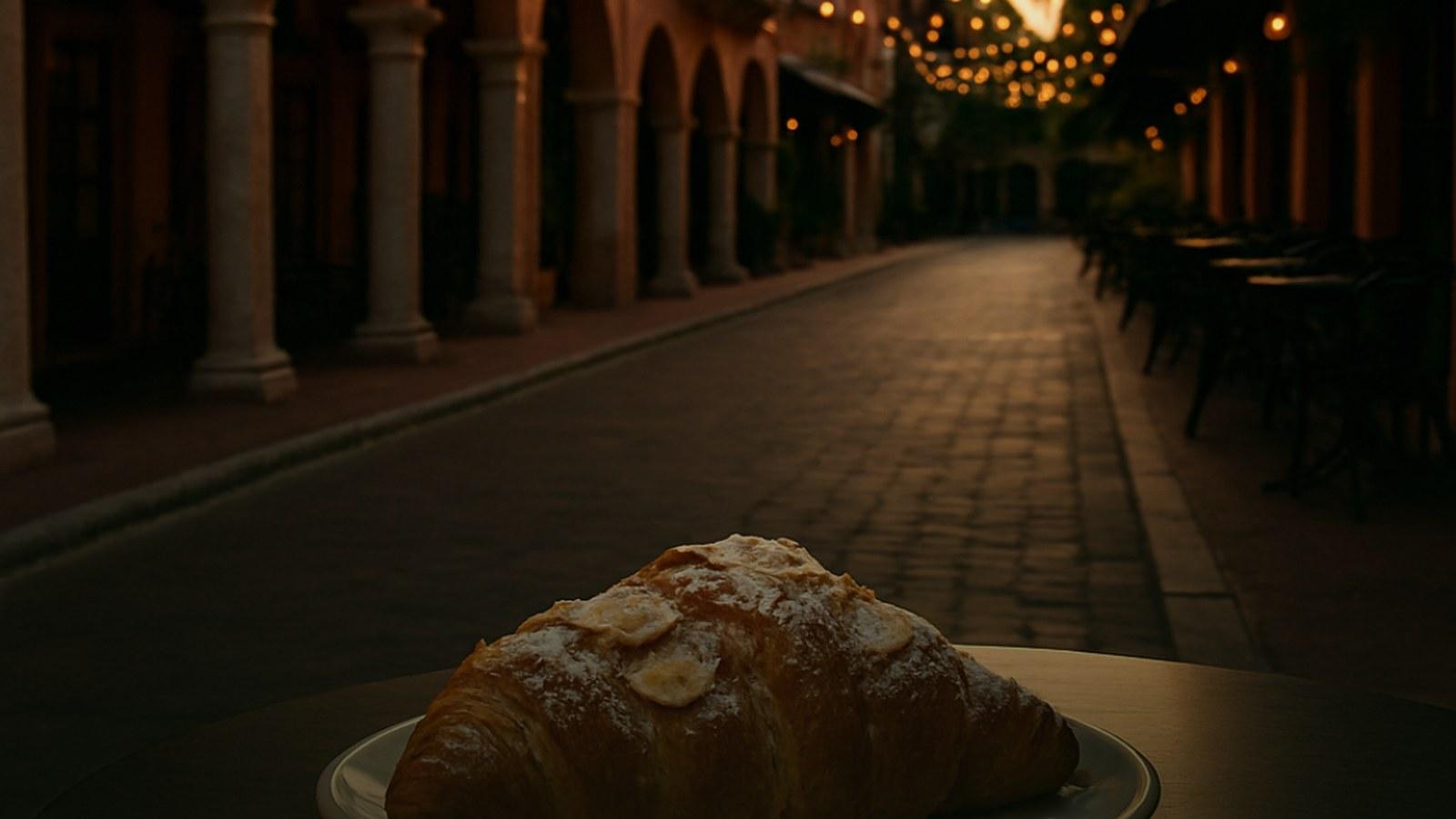
In 1925, at the height of the Florida land boom, developer N.B.T. Roney built Española Way as a 'Historic Spanish Village', a pastel, arcaded lane of Mediterranean Revival buildings meant to be an artists' and bohemians' colony, a little Montmartre in the tropics. It never quite became the art colony he imagined, but it became something better: a legend.
Built as a fantasy, kept as a street
In the 1930s the upstairs rooms reportedly hosted gambling parlors tied to the era's crime syndicates, and a young Cuban bandleader named Desi Arnaz, years before I Love Lucy, is said to have helped launch the conga-line craze right here on Española Way. Over the decades it faded and was restored, and today the string-lit street of cafes, tapas bars and boutiques still feels like a film set dropped into South Beach.
Grab an almond croissant and walk it slow, the way the whole street was built to be enjoyed.
Where to find us on Collins
Green Market sits at 5101 Collins Ave in Miami Beach, open 7:30am to 10pm every day. Coffee from the espresso bar starts at $2.50, combos from $5.79. Walk in from the beach, or order on WhatsApp at +1 (305) 876-4513 and we deliver across Miami Beach.
Quick answers
- What is Española Way in Miami Beach?
- In 1925, at the height of the Florida land boom, developer N. B.