Miami Beach Stories
The candy-colored lifeguard towers were born from a hurricane.
· 2 min read · Miami Beach
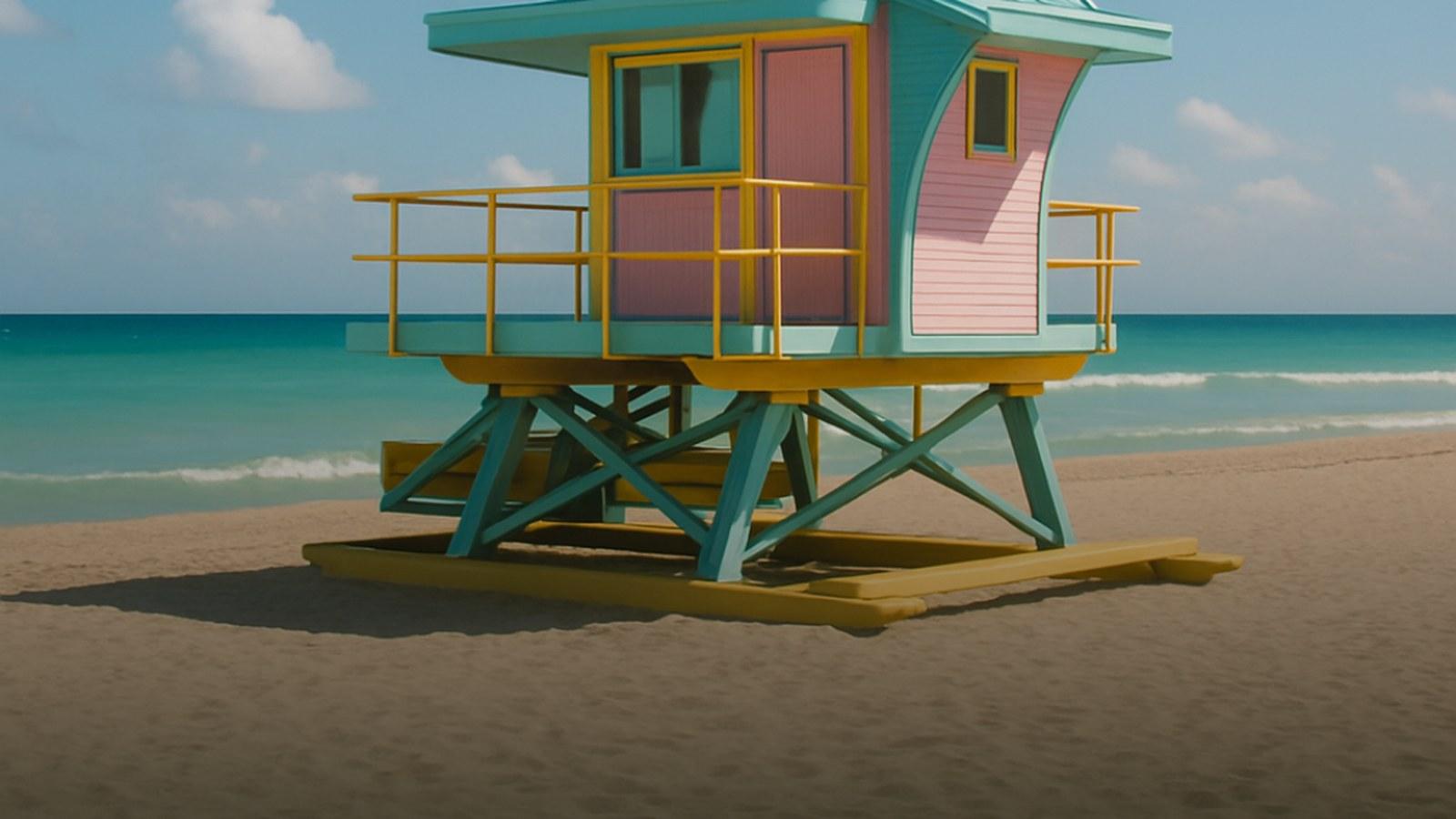
When Hurricane Andrew, one of the most destructive storms in US history, slammed South Florida in August 1992, it battered the beach and its plain wooden lifeguard stands. As Miami Beach rebuilt, the city and architect William Lane made a bold choice: instead of plain boxes, the new lifeguard towers would be whimsical little sculptures, pastel Art Deco cubes, nautical shapes, bright stripes and portholes, each one different, echoing the colors of the Deco district behind them.
What Andrew took, and what replaced it
They became instant icons. A newer set designed by Oppenheim Architecture followed in 2016, keeping the playful spirit alive. Today, hunting down your favorite tower, the pink one, the blue-striped one, is a Miami Beach ritual and one of the most photographed things on the sand.
Fuel your beach day before you go find yours, combos, cold drinks and snacks, all in one stop.
Where to find us on Collins
Green Market sits at 5101 Collins Ave in Miami Beach, open 7:30am to 10pm every day. Coffee from the espresso bar starts at $2.50, combos from $5.79. Walk in from the beach, or order on WhatsApp at +1 (305) 876-4513 and we deliver across Miami Beach.
Quick answers
- Why are the Miami Beach lifeguard towers so colorful?
- When Hurricane Andrew, one of the most destructive storms in US history, slammed South Florida in August 1992, it battered the beach and its plain wooden lifeguard stands. As Miami Beach rebuilt, the city and architect William Lane made a bold choice: instead of plain boxes, the new lifeguard towers would be whimsical little sculptures, pastel Art Deco cubes, nautical shapes, bright stripes and portholes, each one different, echoing the colors of the Deco district behind them.